Providing our services to businesses throughout the world
Innovative systems combined with industry leading knowledge
Award Winning projects across various different sectors
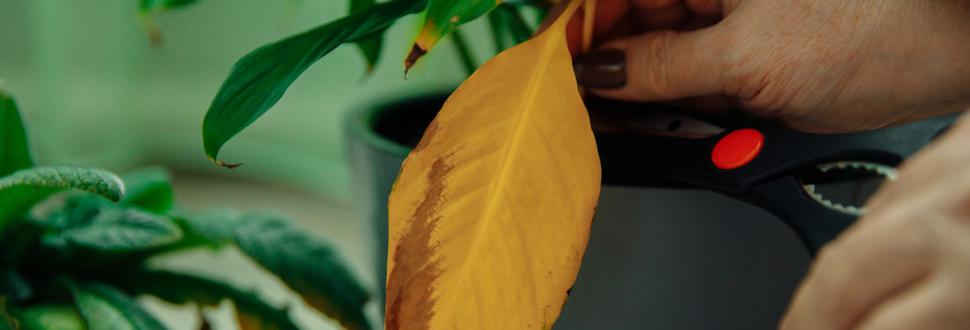
Understand and Address Yellowing Leaves on Your Indoor Plants
It can be concerning when the vibrant green of your beloved plant begins to fade to yellow. At Ambius, we understand the importance of healthy, thriving greenery in commercial spaces. This guide will help you understand the common reasons why the leaves of your indoor plants might be turning yellow and provide practical steps to diagnose and resolve these issues across a variety of plant types
Common Causes of Yellowing Leaves in Indoor Plants and How to Identify Them
Watering Issues: Finding the Right Balance
Overwatering: One of the most frequent reasons for yellowing. Excess water suffocates roots, hindering their ability to absorb oxygen and nutrients. Look for consistently soggy soil and potentially wilting despite moistness.
Underwatering: Insufficient water leads to dehydration and stress. Check for dry, hard soil and overall drooping or wilting of the plant in addition to yellowing leaves.
Light Problems: Too Much or Too Little
Insufficient Light: Many indoor plants require adequate indirect light for photosynthesis. Lack of light can lead to pale or yellowing leaves, often accompanied by leggy growth as the plant stretches for more light.
Excessive Direct Light: While less common for overall yellowing (it often causes scorching or brown spots), intense direct sunlight can stress some plants and contribute to yellowing, particularly on the sun-facing side.
Temperature Stress: Keeping it Consistent
Extreme Temperatures: Both very hot and cold conditions can negatively impact plant health, leading to yellowing leaves.
Cold Draughts: Tropical are particularly sensitive to sudden drops in temperature and cold drafts, which can manifest as yellowing or browning leaves.
Nutrient Imbalance: Feeding Your Plants Correctly
Nutrient Deficiencies: A lack of essential nutrients like nitrogen, iron, or magnesium can cause distinct patterns of yellowing, such as yellowing between the veins while the veins remain green.
Over-Fertilising: Too much fertiliser can build up salts in the soil, damaging roots and leading to yellowing or browning of leaves, often starting at the tips.
Other Potential Factors:
NaturalAgeing: Older, lower leaves naturally turn yellow and die off as part of the plant's growth cycle. This is usually not a cause for concern if it's limited to a few leaves at the bottom.
Poor Soil Quality: Over time, soil can become compacted and lose its nutrients, stressing the plant.
Pest Infestations: Sap-sucking pests can weaken the plant and cause yellowing or discolouration of the leaves. Look for signs of pests like sticky residue, webbing, or visible insects.
Disease: Fungal or bacterial infectations can sometimes manifest as yellowing leaves, often accompanied by other symptoms like spots, wilting, or unusual growth.
Repotting Stress: Plants can sometimes experience temporary stress and yellowing leaves after being repotted.
Diagnosing Yellowing Leaves: A Step-by-Step
Examine the Soil:
Check the moisture level. Is it consistently soggy, bone dry, or somewhere in between?
Assess the Light:
Consider the plant's location relative to windows and the intensity of light it recieves.
Check the Temperature:
Ensure the plant is not exposed to ectreme temperatures or drafts.
Observe the Pattern of Yellowing:
Is it all over the leaf, just the edges, between the veins, or primarily on older leaves?
Inspect for Pests:
Carefully examine the undersides of leaves and stems for any signs of insect activity.
Consider Recent Changes:
Have you recently moved the plant, repotted it, or changed your watering or fertilising routine?
Reviving Your Yellowing Plants: General Care Tips
Adjust Watering:
Based on your diagnosis, adjust your watering habits to ensure the soil is appropriately moist but not waterlogged.
Optimise Light:
Move your plant to a location that provides the ideal light conditions for its species.
Maintain Stable Temperatures:
Protect your plant from extreme temperatures and drafts.
Fertilise Appropriately:
Feed your plant with a balanced fertiliser during the growing season, following the recommended dosage. Avoid over-fertilising.
Repot When Necessary:
Refresh the soil and provide more room for roots to grow every 1-2 years.
Address Pests and Diseases:
Treat any infestations promptly with appropriate methods.
Ambius: Your Partner in Plant Health
Understanding the nuances of houseplant care can be challenging. At Ambius, our horticultural experts are skilled in diagnosing and resolving issues like yellowing leaves, ensuring the plants in your commercial space remain healthy and vibrant.
If you're experiencing yellowing leaves on your office plants and would like professional assisstance, contact Ambius today for expert advice and plant care services. We're here to help your greenery thrive.
Next Steps
Want to create a truly unforgettable environment? Ambius offers a range of complementary services to enhance your workspace and elevate your brand experiences.