Providing our services to businesses throughout the world
Innovative systems combined with industry leading knowledge
Award Winning projects across various different sectors
The Ambius Guide to a Thriving Jade Plant
Welcome to Ambius's comprehensive Plant Guides for Jade Plant care. Often called the friendship tree, lucky plant, or even the money tree, the jade plant (Crassula ovata) is a popular succulent prized for its resilience and symbolic association with good fortune. While known for being relativelly low-maintenance, understanding a few key aspects of growing jade plants will ensure your Crassula ovata plant flourishes for years to come.
Understanding Your Jade Plant
Botanical Name: Crassula ovata (often abbreviated as c. ovata)
Common Names: Jade plant, jade tree, friendship tree, lucky plant, money tree
Native Habitat: South Africa
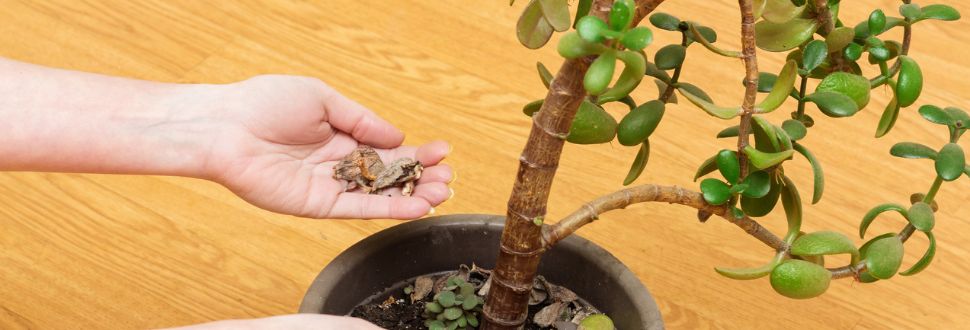
Key Features: Evergreen succulent with fleshy, oval-shaped leaves and woody stems that can mature into a small jade tree. Some varieties of jade plants can even produce delicate white or pink flowers under the right conditions resulting in a beautiful jade flowering plant.
Optimising Growing Conditions for Your Crassula Jade Plant
Creating the ideal environment is crucial for healthy Jade Plants. Here's what your Crassula ovata needs to thrive:
Temperature
These succulents prefer temperatures between 18-24°C (65-75°F) and can tolerate cooler nighttime temperatures down to 10-13°C (50-55°F). They can be moved outside in the summer but will need to be moved back indoors in early autumn when temperatures begin to drop. Always protect your Jade Plant from frost.
Soil
As they are native to sandy environments, crassula plants thrive in well-draining soil. A gritty, sandy potting mix specifically formulated for succulents is ideal. This helps to anchor roots and prevent waterlogging. You can create your own mix using a combination of sand, peat moss (or coco coir), and other organic matter that ensures good drainage.
Water
Spring and Summer: Water more frequently during the active growing season, but always allow the top inch or two of soil to dry out completely before watering again.
Autumn and Winter: Reduce watering significantly during the dormant period, typically only about once a month or when the leaves start to look slightly wrinkled.
General Rule: Water on the side of underwatering rather than overwatering, as consistently wet soil can lead to root rot, which can be fatal for your Jade Plant. Always ensure any excess water drain away from the pot.
Fertilising
Jade Plants are not heavy feeders. Fertilise sparingly only during the active growing season (spring and summer) with a diluted balanced liquid fertiliser. Avoid feeding dormant plants as they won't effectively absorb the nutrients.
Humidity
Average indoor humidity levels are generally sufficient for Jade Plants. They do not require high humidity.
Light
Jade Plants love bright light and flourish in full sunlight. Aim for at least 4-6 hours of direct sunlight per day. Insufficient light can lead to leggy growth and dull leaf colour.
How To Care for Your Jade Plant
Consistent care will keep your Jade Tree Plant looking its best:
Dusting: Occasionally wipe the leaves of your crassula plant with a damp cloth to remove dust. This allows the plant to photosynthesise efficiently and keeps its foilage looking vibrant.
Expanding Your Collection: Jade Plant Propagation
Jade Plants are relatively easy to propagate, allowing you to create new from your existing one. There are two main methods:
Leaf Propagation: This is a great method if your Jade Plant is still young or doesn't have long stems:
Carefully remove a healthy, mature leaf from the plant. Ensure a clean break at the stem.
Allow the leaf to dry out for a few days in a dry location. This allows the cut end to callus over, which helps prevent rot.
Once callused, place the leaf, cut side down, on top of well-draining soil. You can lightly press it into the surface.
Mist the soil lightly every few days. Eventually, the leaf will develop roots and new plantlet will emerge at the base.
Stem Cutting Propagation: This method is suitable for larger, more established Jade Plants.
Select a healthy stem cutting that is approximately 7-10 cm (3-4 inches) long. Use clean, sharp pruning shearsor a knife to make the cut.
Allow the jade tree cutting to dry out for one to two weeks in a dry place.
Once the cut end has become callused, insert the stem cutting about 2-3 cm (1 inch) deep into a pot filled with well-draining soil.
Water lightly and keep the soil slightly moist untill rots develop. Place the cutting in a bright, indirect light location.
Repotting Your Jade Plants
Jade Plants are slow growers and don't need frequent repotting. You'll know it's time to repot your Jade Plants when:
The roots start to grow out of the drainage holes.
The plant dries out very quickly after watering, indicating it's root-bound.
The soil becomes compacted and doesn't drain well.
When repotting:
Choose a new pot that is only slightly larger than the current one. Ensure it has good drainage holes.
Gently remove the jade plant from it's current pot, being careful not to damage the roots.
Remove as much of the old, compacted soil as possible.
Place the plant in the new pot and fill it with fresh, well-draining succulent potting mix.
Water lightly after repotting.
Pruning Your Jade Plant
Jade Plants can grow up to 1.5 metres (5 feet) tall over time and may benefit from occasional pruning to control their size and shape, or to encourage bushier growth.
The best time to prune is during the active growing season (spring or summer).
Avoid cutting into the main trunk if possible. Focus on trimming back brances to your desired size and shape.
Never remove more than a third of the plant's height at one time, as this can stress the plant.
Remember that pruning creates open wounds, which can be entry points for bacteria. Ensure your pruning tools are clean and sharp.
Important Note: Toxicity to Pets
It's crucial to be aware that jade plants are highly toxic to dogs, cats and horses. If ingested, they can cause symptoms such as vomiting, lethargy, and poor coordination due to a slowed heart rate.
To ensure your pet's safety, keep your jade plant in a location that is inaccessible to them.
Alternatively, you can use a pet-safe deterrent spray on the leaves to discourage nibbling.
Providing your pets with plenty of toys and engaging activities can also help redirect their curiosity away from your plants.
While Jade Plants have been used in some traditional remedies, they are mildly toxic to humans if ingested in large quantities. It's important to never consume any part of the Jade Plant without consulting a healthcare professional.
Common Issues with Your Jade Plant
Even though Jade Plants are hardy, they can sometimes encounter problems such as:
Leaf Drop: -
This is often a sign of underwatering. Ensure you are checking the soil moisture and watering when the top inch or two is dry.
Root Rot: -
This is usually caused by overwatering and poor drainage. The roots may appear brown and mushy. If you suspect root rot, repot the plant in fresh, dry soil and ensure the pot has adequate drainage.
Mealybugs: -
These pests appear as small, white, cottony masses, often found in leaf axils and undersides of leaves. They feed on plant sap, causing stunted growth and leaf damage. Treat by wiping them off with a cotton bud dipped in surgical spirit (rubbing alcohol) or use an insecticidal soap.
Spider Mites: -
These tiny pests are difficult to see but can cause yellowing or stippling on the leaves. They thrive in dry conditions. Increase humidity and treat with insecticidal soap.
By following this comprehensive guide, you can confidently provide the best possible care for your Jade Plant and enjoy its beauty and symbolic good fortune for many years to come. For more expert advice on indoor plants and creating thriving green spaces, explore the services offered by Ambius.
Next Steps
Want to create a truly unforgettable environment? Ambius offers a range of complementary services to enhance your workspace and elevate your brand experiences.