Providing our services to businesses throughout the world
Innovative systems combined with industry leading knowledge
Award Winning projects across various different sectors
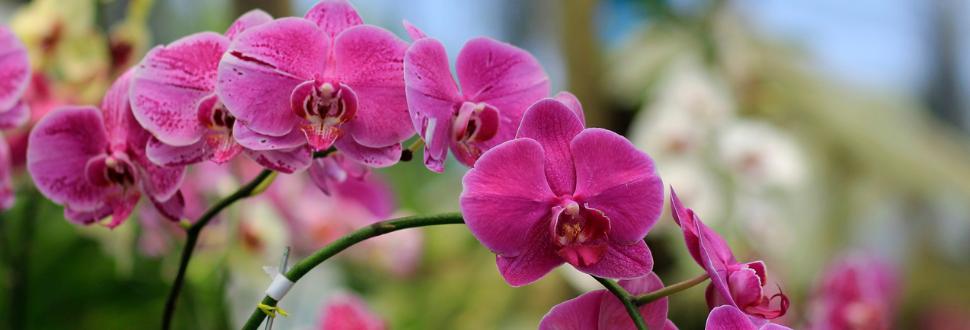
The Ambius Guide to the Elegant Orchid
Welcome to Ambius UK's ultimate guide to Orchids and their care. Revered for their exquisite and often long-lasting blooms, Orchids bring a touch of sophistication and and beauty to any commercial environment. From classic Phalaenopsis to more exotic varieties, discover the secrets to successfully cultivating these captivating plants in your office, retail space, or other business setting. Ambius offers expert services to help you select and maintain the perfect Orchids to enhance your interiors.
Unveiling the Diverse World of Orchids
Botanical Name: Orchidaceae (family)
Common Names: Orchid
Native Habitat: Found in diverse habitats worldwide, from tropical rainforests to temperate regions.
Key Features: One of the largest families of flowering plants, Orchids are known for their unique and often intricate flower structures, diverse colours and patterns, and epiphytic (growing on other plants) or terrestrial (growing in soil) growth habits.
Why Choose Orchids for Your Business?
Incorporating Orchids into your commercial space offers numerous benefits:
Sophisticated Beauty: Their elegant and often exotic blooms add a touch of luxury and refinement to any interior.
Long-Lasting Flowers: Orchid blooms can last for weeks or even months, providing enduring beauty.
Variety of Colours and Forms: With a vast array of species and hybrids, there's an Orchid to compliment any aesthetic.
Air Purifying Qualities: Like many indoor plants, Orchids can help filter certain airborne toxins.
Your Ultimate to Orchid Care
Providing the right care will ensure your Orchids flourish and rebloom:
Water
Watering is crucial for Orchids. Overwatering is a common mistake that can lead to root rot. The watering frequency depends on the Orchid type, potting medium, and environmental conditions. Generally:
Epiphytic Orchids (e.g., Phalaenopsis, Cattleya, Oncidium): Allow the potting medium to dry out alost completely between waterings. Water thoroughly by soaking the pot and then allowing all excess water to drain away. Never let the roots sit in water.
Terrestrial Orchids (e.g., Papiopedilum, Cymbidium): Keep the potting mix consistently moist but not waterlogged.
Light
Orchids generally prefer bright, indirect light. Avoid direct, intense sunlight, which can scorch their leaves. The ideal light level varies on the Orchid type with Phalaenopsis (Moth Orchids) tolerating lower light than Vandas or Cattieyas.
Temperature
Most indoor Orchids prefer daytime temperatures between 18-27°C (65-80°F) and a slight drop in nighttime temperatures (around 10-15°C or 50-60°F) to help initiate blooming. Avoid extreme fluctuations and drafts.
Humidity
Orchids generally thrive in higher humidity levels (40-70%). in dry office environments, increase humidity by using a humidifier, placing the pot on a pebble tray filled with water, or grouping plants together.
Fertiliser
Orchids are light feeders. Fertilise sparingly with a balanced Orchid fertiliser diluted to half strength every 2-4 weeks during the growing season (after blooming or during new growth). Reduce or stop fertilising during dormant winter months.
Potting Medium
Orchids need a well-draining potting medium that allows for air circulation around their roots. Epiphytic Orchids are typically grown in bark mixes, sphagnum moss, or a combination of both. Terrestrial Orchids requires a more moisture-retentive mix. Never use regular potting soil for epiphytic Orchids,
Common Orchid Problems and How to Address Them
Be aware of these common issues:
Yellowing Leaves: Can be a sign of overwatering, underwatering, sunburn (too much direct light), or nutrient deficiency. Adjust your care accordingly.
Root Rot: Caused by consistently overwatered or poorly draining potting medium. Remove the Orchid from the pot, trim away any mushy, brown roots, and repot in fresh, appropriate Orchid mix.
Lack of Blooming: Can be due to insufficient light, improper temperature fluctuations, inadequate rest period, or immature plant. Ensure the Orchid is receiving the correct conditions for its type.
Wilting Flowers: Can be a natural part of the bloom cycle, ut can also be caused by dehydration or ethylene gas exposure (from ripening fruit or exhaust fumes).
Pests: Orchids can be susceptible to pests like scale, mealybugs, and spider mites. Inspect your plants regularly and treat any infestations promtly with insecticidal soap.
Styling Ideas for Orchids in Commercial Spaces
Orchids add a touch of elegance to various settings:
Desk and Reception Area Accents: Single, beautifully potted Orchids can create a sophisticated focal point.
Statement Displays: Group several Orchids of different colours and varieties for a stunning visual impact.
Vertical Displays: Mount epiphytic Orchids on plaques or use tiered stands to showcase their unique forms.
Event Decor: Orchids are often used to add a touch of luxury to corporate events and conferences
Frequently Asked Questions About Orchids
Are Orchids difficult to care for?
While they have specific needs, Orchids are not necessarily difficult if you understand the requirements of your particular type. Phalaenopsis Orchids are often considered a good starting point for beginners.
How do i get my Orchid to rebloom?
Providing the correct light, temperature fluctuations (especially a nighttime drop), a rest period after blooming, and proper watering and fertilisation are key to encouraging reblooming.
What is the best potting mix for Orchids?
The best potting mix depends on whether your Orchid is epiphytic or terrestrial. Epiphytic Orchids need a well-draining mix like bark or moss, while terrestrial Orchids need a moisture-retentive mix. Never use regular potting soil.
Are Orchids safe for offices with pets?
Many Orchids are considered non-toxic to pets, but it's always best to supervise pets around plants and research the specific type of Orchid you have.
Can Ambius help us select and care for Orchids in our business?
Absolutely! Our team can assess your environment, aesthetic preferences, and maintenance capabilities to recommend the most suitable Orchid varieties and provide ongoing care services to ensure their long-lasting beauty.
Elevate Your Business with the Sophistication of Orchids and Ambius UK
Orchids are a remarkable choice for businesses seeking to add a touch of elegance and lasting beauty to their interior spaces. Their Diverse forms and captivating blooms can create a sophisticated and welcoming atmosphere. Partner with Ambius UK to leverage our expertise in sourcing and caring for Orchids, ensuring your workspace enjoys their exquisite presence without the burden of specialised care.
Ready to elevate your business with sophisticated beauty of Orchids? Contact Ambius UK today for a free consultation!
Next Steps
Want to create a truly unforgettable environment? Ambius offers a range of complementary services to enhance your workspace and elevate your brand experiences.