
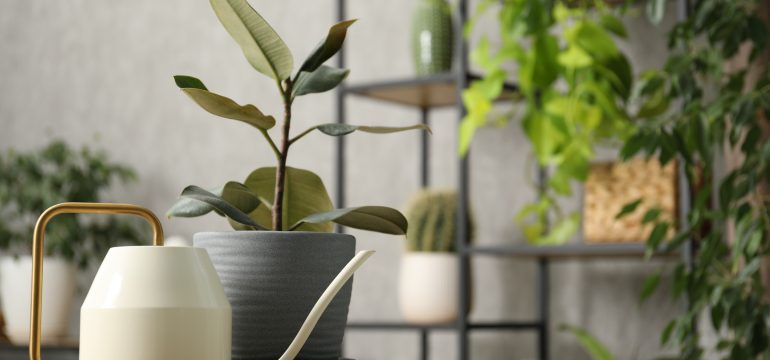
With the festive season on the horizon have you given any thought to your outdoor leafy companions? Autumn/winter can be a challenging time with outside temperatures falling and less daylight hours. Your plants face a whole new set of obstacles. But don’t worry, a little proactive care can make all the difference!
At Ambius, we believe every plant deserves to thrive, whatever the season. Here is our expert guide to protecting and nurturing your plants through the autumn/winter months.
1. Adjust Your Watering Routine
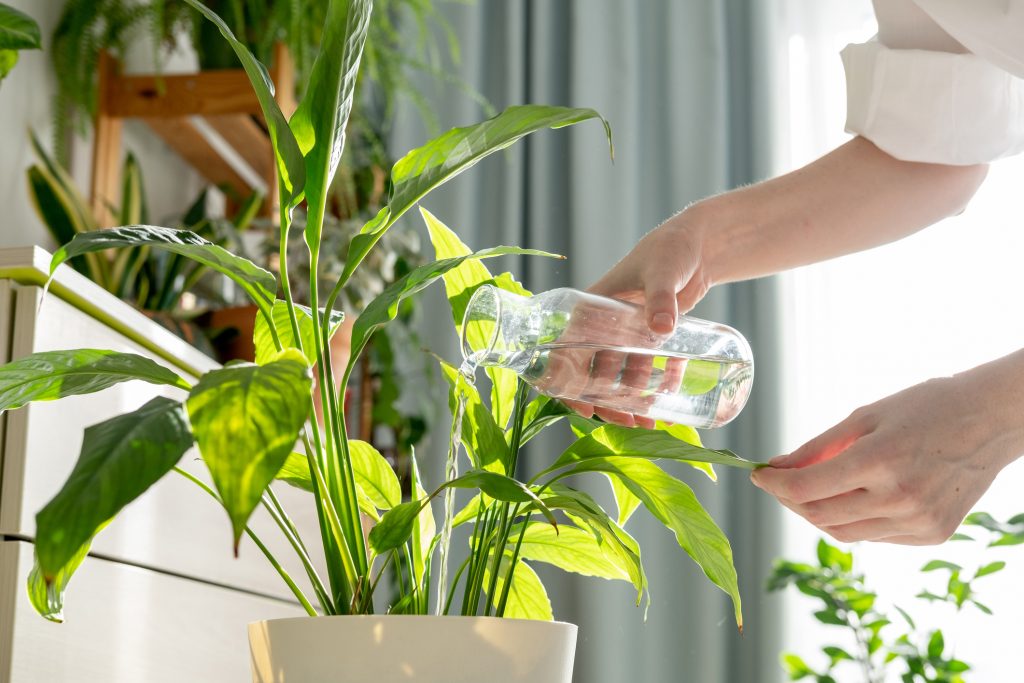
This is perhaps the most crucial change you’ll make. Most plants require significantly less water in the winter.
Why? Plants enter a period of dormancy, or reduced growth, during the colder months. They use less water and nutrients, and the cooler temperatures mean the soil takes longer to dry out.
The Risk: Overwatering is the number one cause of indoor plant death in winter. Soggy soil can lead to root rot, a fungal disease that is often fatal.
The Solution: Water less frequently. Before you water, stick your finger about an inch or two into the soil. If it’s still, wait a few more days. It’s generally better for a plant to be underwatered, than overwatered.
2. Manage Light and Location
Winter brings shorter days and weaker sunlight. This can be a major stressor for your plants.
The Challenge: Your indoor plants might be getting much less light than it’s used to. Even a few feet away from a window can make a huge difference in light intensity.
The Solution: Move your plants to a sunnier location. Place them closer to windows, especially south-facing ones (in the Northern Hemisphere). Rotate them every week to ensure all sides get some light.
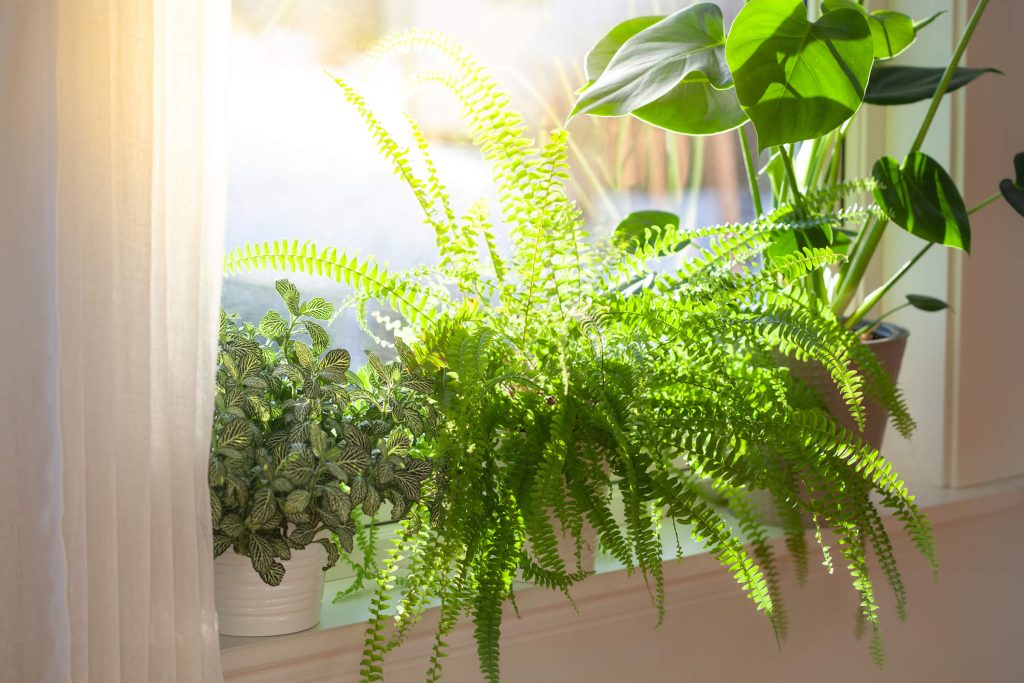
For plants that need a lot of light, you could consider buying a grow light as these are designed to serve as a substitute for natural sunlight, allowing for photosynthesis and therefore growth.
3. Protect from Drafts and Heat Sources
Sudden temperature changes and dry air can shock and dehydrate your plants.
The Challenge: The winter air is often very dry, thanks to indoor systems. Drafts from doors and windows can also cause significant stress.
The Solution:
Move plants away from direct heat sources such as heaters as hot, dry air can quickly scorch leaves and dry out the soil. Be mindful of drafts from windows and doors as a cold gust of air every time a door opens can be detrimental.
Humidity: Consider using a humidifier or placing a tray of water near your plants. You can also group plants together; their collective transpiration creates a small, humid micro climate.
4. Pause Fertilising
Just as you might take a break from intense workouts, your plants take a break from growing.
Why? Fertilising a dormant plant can cause a build-up of salts in the soil, which can burn the roots and lead to long-term damage.
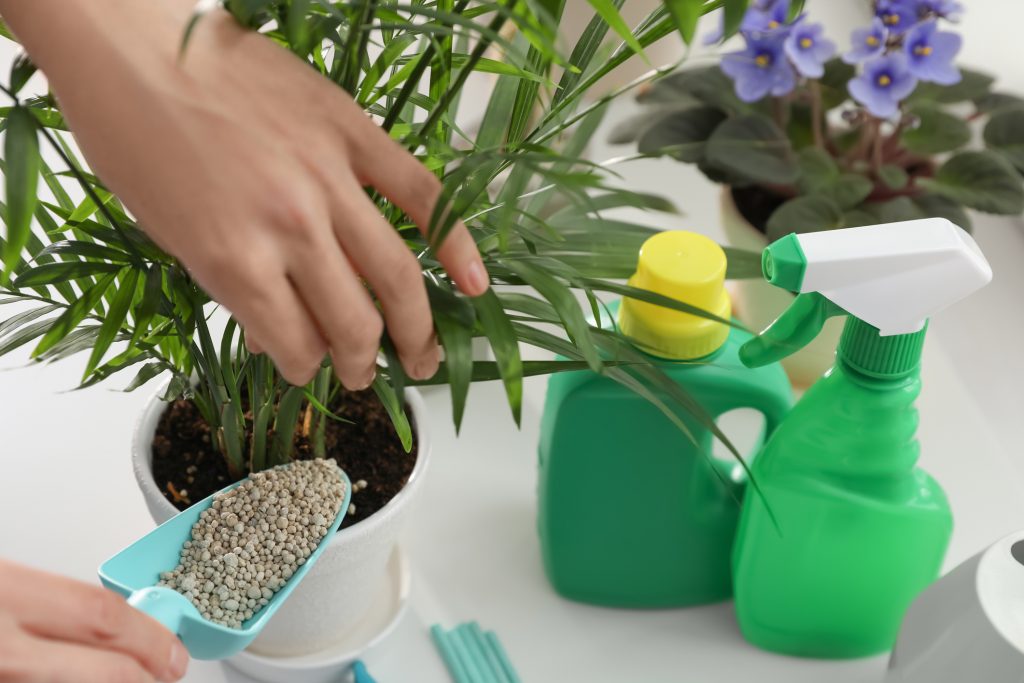
The Solution: Stop fertilising completely during the winter. You can resume a regular feeding schedule in the spring when you see signs of new growth.
5. Clean the Leaves
Dust and grime can accumulate on your plants’ leaves, hindering their ability to absorb light.
Why? In winter, every bit of available light counts. A dusty leaf is less efficient at photosynthesis.
The Solution: Gently wipe down the leaves with a soft, damp cloth. This simple act not only helps your plant but also allows you to inspect it for any pests that might be seeking refuge indoors.
Winter doesn’t have to be a season of sadness for your green friends. With a few simple adjustments, you can ensure they not only survive but are ready to burst forth with new growth come spring. If you need a little help with your winter plant care or want to discuss a customised indoor plant service, don’t hesitate to reach out to our team at Ambius! We are here to help your home stay green and vibrant all year long.



Leave a Reply