
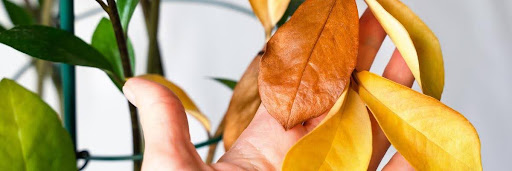
A sick houseplant is often attributed to neglect, but the truth is that many indoor plants suffer from too much love, and the common misconception that they need constant, frequent watering to stay healthy. The amount of water a houseplant needs depends on the type of plant, its size and the environment in which you have placed it. Establishing the correct watering regime for your houseplant is a critical skill for keeping the plant healthy.
In this blog, learn how to maintain the delicate balance between the soil moisture your plant needs to survive and grow and the air the plant roots need to obtain from the soil to breathe, and keep your plant healthy for the long term. This article covers:
- What happens when you overwater a houseplant?
- How to check for overwatering
- How much soil moisture do plants prefer?
- Watering rules for every houseplant
- How to save an overwatered plant
What happens when you over water a houseplant?
Water is the fundamental vehicle for plant nutrient uptake and cell function. However, it is important to do it in a way that maintains root health. This relies on balancing the moisture levels suitable for your particular plant with adequate soil aeration. Root systems need oxygen for their cells to function, and soil porosity determines whether roots obtain enough oxygen while also providing the moisture the plant needs.
Chronic overwatering compromises this balance by displacing the air in the soil with excess moisture, which initiates a cascade of detrimental effects:
- Hypoxia and root suffocation: Prolonged saturation creates anaerobic conditions, depriving roots of oxygen and inhibiting their metabolism.
- Pathogen proliferation: Anaerobic, waterlogged environments promote fungal growth, leading to root rot.
- Nutrient absorption halted: As root function declines due to decay, the plant loses its ability to take up water and nutrients, leading to dehydration despite abundant soil moisture.
Regardless of the species, maintaining the equilibrium between hydration and aeration is essential for plant longevity and recognising the signs of over-saturation is a crucial aspect of preventative maintenance.
How to check for overwatering
Monitoring your plant’s moisture levels is critical for its long-term health. This requires two approaches: recognising the physical signs of existing overwatering and running pre-emptive checks before you add water.
Identifying the signs of over watering
If you notice these indicators, your plant is likely suffering from excess moisture:
- Wilting despite wet soil: If the plant is slumped but the soil is damp, the roots have likely rotted and can no longer transport water. Unlike an underwatered plant that perks up after a drink, an overwatered one will continue to decline.
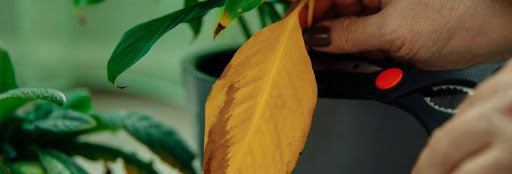
- Yellowing and dropping leaves: The plant cannot distribute nutrients, often causing lower, older leaves to turn soft, limp and yellow and to fall off.
- Mushy stems or black roots: Check the base of the plant. Healthy stems are firm; overwatered ones will look dark and waterlogged and feel squishy, like a rotten banana.
- Mould and fungus gnats: White fuzzy mould on the soil surface indicates poor airflow, while a cloud of fungus gnats suggests thriving, decaying organic matter, possibly due to constant dampness.
- Leaf blisters (oedema): If the plant is waterlogged, it may try to store excess moisture in its leaves, causing cells to rupture and form tiny, raised pimples or corky patches on the undersides.
Pre-emptive soil moisture checks
Don’t water to a schedule; test the soil before you pour.
- The finger or skewer test: Don’t rely on the condition of the soil surface, because it dries quickly. Push your index finger or a wooden skewer (or other thin piece of wood) two inches into the soil. If it feels cool, damp or sticks to the wood (like cake batter), the plant is still hydrated. If it comes out dry, it is safe to water.
- The lift test: Water gives extra weight to the soil. Get familiar with the weight of a well-watered pot. A pot that feels the right weight indicates the soil is still retaining a significant reservoir of water.
- The drainage check: Ensure every pot has functional drainage holes. If you water, pour until liquid runs freely out the bottom. Crucially, never let your plant sit in runoff water for more than 15 minutes; dump any excess to prevent “wet feet”.
- Beware of over-dried soil: If the water runs straight out without wetting any soil (test the weight, use a finger or lift the plant out of the pot), then you have left it too long between waterings, not overwatered it. The natural waxes and resins in peaty compost have dried out too much, forming a water-repellent coating on the fibres. Put the whole pot into several inches of lukewarm water for about 20 minutes to rehydrate the soil.
How much soil moisture do plants prefer?
Plants can be divided into three general moisture categories, as shown in the table below.
| Plant Category | Examples | The golden rule for watering | Overwatering signs |
| The drought lovers | Succulents, cacti, snake plants, ZZ plants | Let the soil dry out completely to the bottom of the pot before watering again. | Wrinkly but mushy leaves, yellowing from the base; stems turning translucent. |
| The middle-grounders | Monsteras, Pothos (Devil’s Ivy), Philodendrons, Ficus | Let the top 2–3 inches of soil dry out completely before giving it another soak. | Soft, yellowing lower leaves; fungus gnats; dark spots on leaves. |
| The moisture lovers | Ferns, Calatheas, peace lilies, Fittonias | Keep the soil consistently damp (like a wrung-out sponge), but never soggy or muddy. | Collapse/wilting despite wet soil; mould on the soil surface; brown, crispy leaf edges with yellow halos. |
Find out more about how to look after houseplants with the Ambius guide to houseplant disorders and the Ambius houseplant guides.
Watering rules for every house plant
1. Light level dictates water usage
Plants need water to carry out photosynthesis, their fundamental means of growth.
More light = more photosynthesis = more water used.
A plant in a bright spot carries out more photosynthesis, grows quicker and uses more water. If a plant is sitting in a dark corner, it cannot grow as fast, and its water consumption will slow down. Overwatering sometimes isn’t about pouring too much water at once; it’s about watering too frequently for the amount of light the plant receives.
2. Drainage is non-negotiable
Putting a plant in a pot without a drainage hole will result in rotten roots. Every plant needs a way for excess water to escape so the roots can breathe.
3. Drench and drain is better than a little often
Many people believe overwatering means giving a plant too much water at once, leading them to give a little water often. This small amount often doesn’t reach all the roots, and some plants prefer their roots to have periods of dry soil.
Water thoroughly until it runs out of the bottom holes (ensuring all roots get a drink), then don’t water again until the soil reaches the specific dryness threshold for the plant type.
How to save an over watered plant
If you’ve discovered your plant is drowning in soggy soil, don’t panic. Plants are resilient, and if you catch them early enough, you can help them recover. Here is your emergency rescue plan:
Step 1: Assess the damage
- Examine the roots: Gently slip the plant out of its pot to examine the root ball.
- The sniff-and-sight test: Healthy roots are white or tan and firm. Overwatered, rotting roots are black, brown and slimy, and usually smell like a swamp.
Step 2: Prune the rot
- Cut away the decay: Snip off any mushy, black roots, leaving only the healthy, firm ones intact.
- Clean your tools: Wash and scrub your shears to remove visible dirt and slime. Wipe the blades with generous amounts of rubbing alcohol (70% isopropyl alcohol), or dip them in it for 30 seconds to prevent them from infecting the next plant you prune.
- Trim the top: If you had to remove a large portion of the root system, trim back a few leaves from the top of the plant. Fewer roots mean the plant can no longer support a massive canopy.
Step 3: Repot with new soil
- Discard the old soil.
- Wash the pot: Thoroughly scrub the old pot with soap and water, or use a new one with drainage holes.
- Use fresh potting compost: Repot the plant in new houseplant potting mix tailored to its needs (e.g. add extra perlite or orchid bark for aeration).
Step 4: The recovery stage
- Hold off on the water: Don’t water the plant immediately after repotting into fresh, slightly damp soil. Let the roots rest and heal for a few days.
- Place in bright, indirect light: Place the plant in a spot with good, indirect sunlight. Avoid direct, harsh sunlight (which will stress it out) and dark corners (which will stall its recovery).
- Skip the fertiliser: Don’t fertilise a sick plant. It takes several weeks for new roots to mature and withstand higher soil nutrient concentrations.
Key to a long houseplant life
Mastering the balance of hydration and root aeration is a journey, not a destination. By observing your houseplant’s signs, rather than adhering to a strict calendar, you can cultivate a deeper understanding of its unique needs.
While overwatering is a common mistake, it is rarely fatal if caught early. With patience, proper diagnostic checks, and a willingness to step in when needed, you can help your houseplants thrive for years to come. Remember, when in doubt about watering, follow the simple soil moisture checks first.
FAQs
What are the common signs that my houseplant has been overwatered?
If your plant is suffering from excess moisture, you may notice wilting despite the soil being damp, yellowing or dropping leaves, mushy stems, black or slimy roots, mould on the soil surface, or the presence of fungus gnats.
How can I determine when to water my plant without relying on a schedule?
Avoid watering on a schedule and instead test the soil first. You can use the finger or skewer test by pushing it two inches into the soil; if it feels damp or sticks to the wood, do not water. Alternatively, use the “lift test” to get familiar with the weight of a well-watered pot to gauge when it needs more moisture.
Why does the amount of light a plant receives affect how much I should water it?
Light drives photosynthesis; a plant in a bright spot grows faster and uses more water, while a plant in a dark corner grows slower and requires less water. Watering too frequently in a low-light area is a common cause of overwatering.
How do I rescue a houseplant that has been overwatered?
If you catch it early, you can save the plant by gently removing it from its pot, pruning away any mushy or black, rotting roots, then cleaning your shears and sterilising them with rubbing alcohol. Repot the plant in a clean container with fresh, well-draining potting compost, place it in bright, indirect light, and avoid watering or fertilising it immediately to allow the roots to heal.
Is it better to give my plants small amounts of water frequently?
No, it is better to drench the soil thoroughly until water runs out of the drainage holes. This ensures all roots receive a drink, after which you should wait until the soil reaches the specific dryness threshold for your plant’s category before watering again.



Leave a Reply